
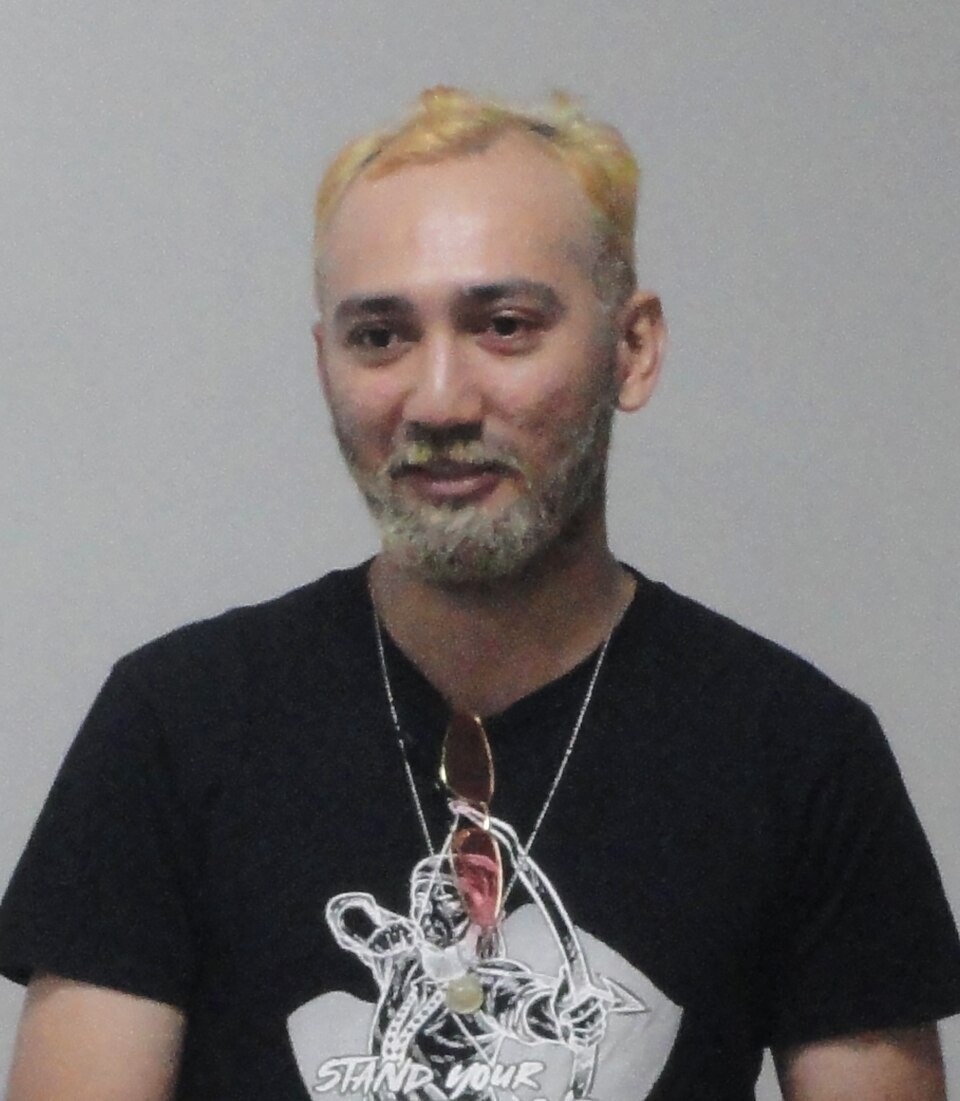

In July 2023, a video surfaced across social media that triggered one of the fiercest national debates at the intersection of religion, free expression, and local governance. Drag artist Pura Luka Vega (Amadeus Fernando Pagente) performed to an upbeat remix of the “Ama Namin” (The Lord’s Prayer) dressed in imagery reminiscent of the Black Nazarene.
The public response was immediate. Devout Catholic groups, Christian organizations, and church devotees condemned the performance as sacrilegious and offensive. In the weeks that followed, local councils across the country made headlines by issuing formal declarations against the performer.
Three years later, as the dust has settled into court records and civic memory, what did those declarations actually mean, and where do the legal cases stand today?
1. The Meaning and Reality of Persona Non Grata
During the height of the controversy, over a dozen Local Government Units (LGUs)—including the City of Manila, Laguna, Nueva Ecija, Cagayan de Oro, General Santos City, Bukidnon, and Bohol—unanimously passed resolutions declaring Vega persona non grata.
-
In International Diplomacy: The term strictly applies to foreign diplomats under the Vienna Convention, giving a receiving state the legal right to expel a foreign representative.
-
In Local Philippine Governance: When an LGU declares a Filipino citizen persona non grata, it is purely symbolic and non-binding.
-
Constitutional Precedence: Under Article III, Section 6 of the 1987 Philippine Constitution (The Liberty of Abode and of Travel), local councils cannot legally ban, arrest, or physically block a Filipino citizen from entering, residing in, or passing through any municipality or province.
The status remains on the official legislative journals of those city and provincial councils as a formal expression of civic displeasure, but it never possessed enforceable legal restrictions.
2. The Legal Battles: From Arrests to Court Acquittals
Beyond municipal declarations, the controversy moved into the judicial system when religious groups—including leaders from Hijos del Nazareno—filed criminal complaints under Article 201 of the Revised Penal Code (immoral doctrines, obscene exhibitions, and indecent shows in relation to the Cybercrime Prevention Act) and Article 133 (offending religious feelings), leading to arrests and bail postings between late 2023 and early 2024.
By June 2025, the Manila Regional Trial Court (Branch 184) issued a 20-page decision acquitting Vega of cybercrime and obscenity charges:
-
Failure to Meet Burden of Proof: The court ruled that the prosecution failed to prove beyond reasonable doubt that the performance satisfied statutory definitions of legal obscenity under the law.
-
Artistic Expression and Context: The ruling reaffirmed that while artistic and creative expression is constitutionally protected, performers must remain mindful of the cultural and social sensibilities of the communities in which they operate.
3. Faith, Cultural Discernment, and Civic Lessons
Looking back at the entire episode offers critical lessons for both the faith community and the public square:
-
Distinguishing Moral Offense from Legal Crime: An act can cause deep spiritual and emotional hurt to devotees without necessarily meeting the high threshold of a criminal conviction under penal statutes.
-
The Role of Prudence and Sacred Respect: For believers, sacred devotions—such as reverence for the Passion of Christ and the Lord’s Prayer—are not casual aesthetic props; they are deeply personal anchors of faith. Genuine dialogue requires acknowledging why sacred symbols hold profound emotional and spiritual weight for millions of regular Filipinos.
-
Legal and Civic Literacy: The episode served as a nationwide case study on the boundaries of local council powers, reminding citizens that local resolutions cannot supersede fundamental constitutional liberties.
Three years on, the controversy stands as a defining case study in modern Philippine society—challenging us to navigate the delicate tension between religious reverence, artistic boundaries, and the rule of constitutional law with discernment rather than blind outrage.
How do you view the balance between protecting religious sensibilities and upholding freedom of expression in the public square? Share your thoughts below.